
In the book Seven Habits Stephen Covey, the author encourages us to set our aim in everything from big to small projects with the “end in mind”. He teaches that by focusing on a clear end-definition we ensure that each step we take stays on the right path. Emotionally, there’s an additional benefit to this “end in mind” strategy as it creates a sense of meaning and value in our work and effort! It feels good to see that we’re progressing forward towards a meaningful end!
Spiritually, what’s the “end goal” of faith? If faith were to be expressed in the best possible way, what will the end result look like? How do we describe the “ultimate faith end goal” so we can aim our daily steps?
I think our faith end goal is to make a positive impact on others. Until faith affects someone else in a positive way, it is not being used as God intends it to be used. This “impact philosophy” defines faith’s ultimate goal as living to make a positive difference in the lives of our neighbors!
In Matthew 28, Jesus commands his followers to seek and save others. Jesus’ faith end goal is relationship focused. It’s achieved as faith changes us and then we take on the mission to engage the world proactively. How exactly should faith change us? Jesus answers this in chapters 22 and 25.
In Matthew 22:36-40 Jesus is questioned about the “Greatest Command” and invites us to love God and our neighbor. This love aim teaching is then repeated 6 times: Matt 19, Mark 12, Luke 10, Rom.13, James 2 and Galatians 5. This greatest command is obviously central to Jesus’ end goal of faith!
In the following chapters Matthew 25:31-46, Jesus describes mankind being judged at the end-of-time by how well we loved the “least of these.” If there is any confusion about the importance of a loving lifestyle, this clears it up!
These two central ideas- “loving your neighbor” and “serving the least of these”- can be combined into what we might call “Kingdom of God Math”. In Kingdom of God math, 22 + 25 = 28! “Love your neighbor” Matthew 22 + “serve the least of these” Matthew 25 realizes Matthew 28! This equation is the end goal for Lakewood Connects. We support the Impact Philosophy for positive community transformation as the core purpose for church. This shapes our coaching, partnership and collaborative efforts in Lakewood, Colorado!
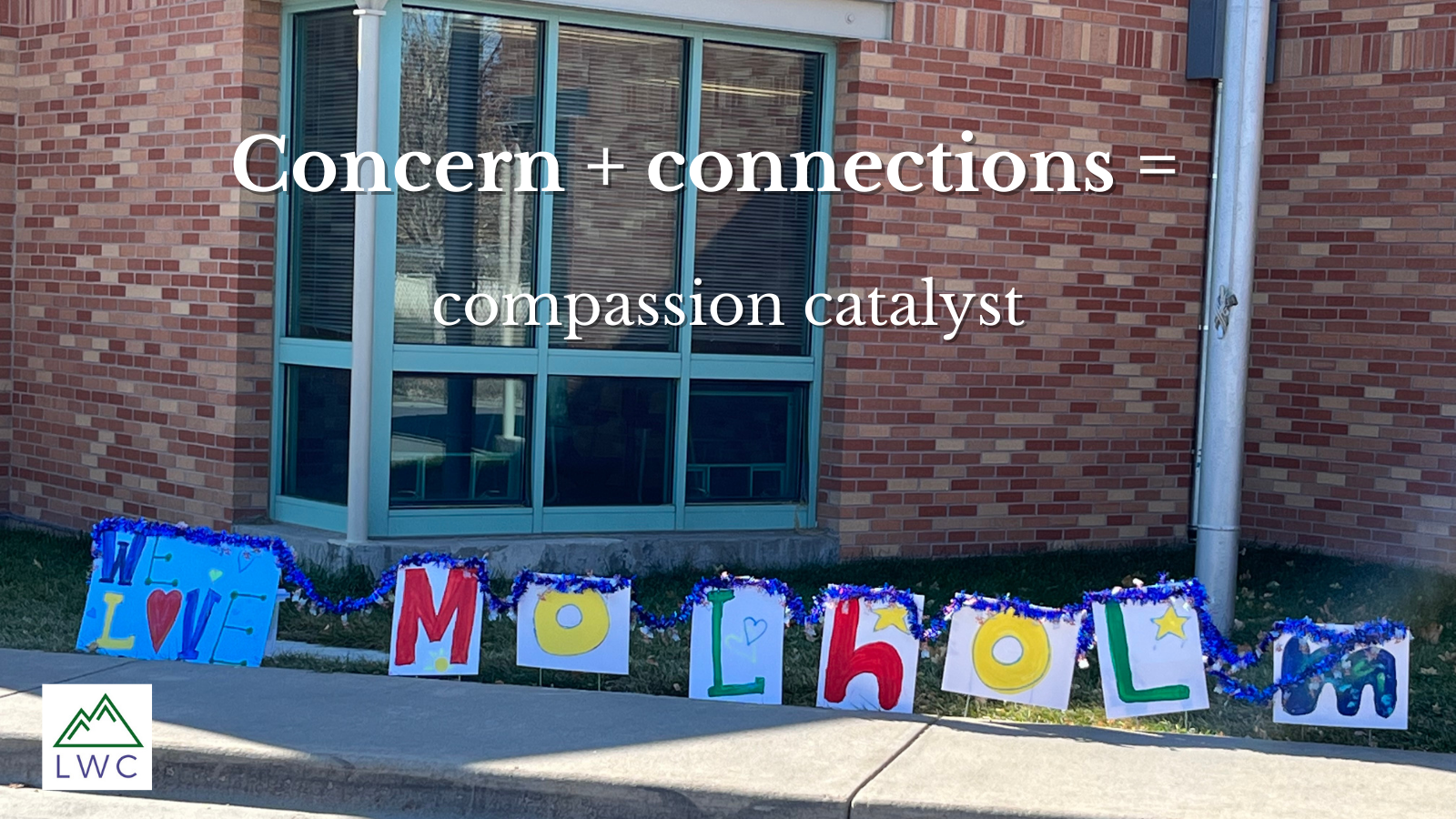
A stand out example of this impact philosophy in Lakewood is Mountair Christian Church. Pastor Ruben Rodriguez, his leadership team and members live as beacons of hope, support and hands-on care for the underserved of their neighborhood in North Lakewood. For Mountair, the “love your neighbor” and “least of these” love lifestyle commands of Christ guide how they shape programs, messages and interactions with their community. Although small in number, the impact they have had in the community has been enormous!
At Lakewood Connects we’re encouraging the impact philosophy as the end goal for churches. Why is this important? We believe that impact philosophy is the key to obeying the greatest command and the key to the future success of church. Like Mountair, your church may not have tremendous resources, but armed with lifestyle-love and a goal to serve your neighbors, you can make a world changing difference!







 Lakewood Connects